Flood Mitigation in Wilmington, NC
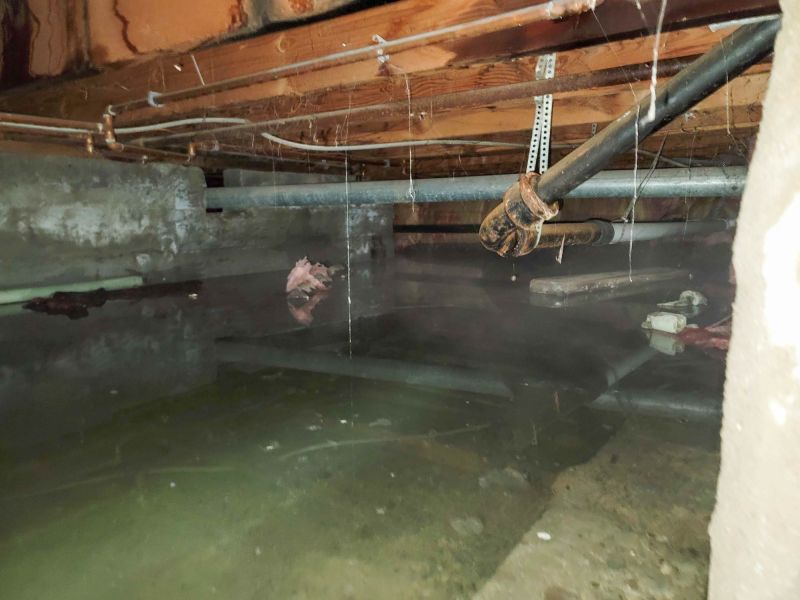
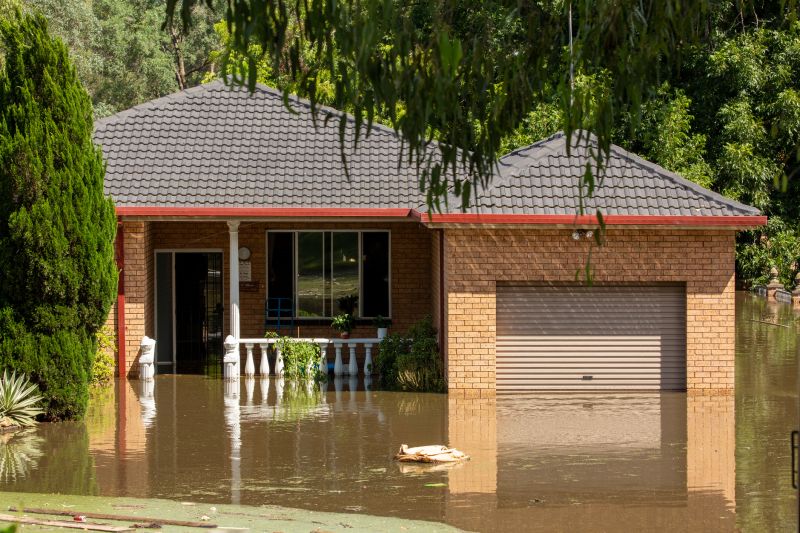
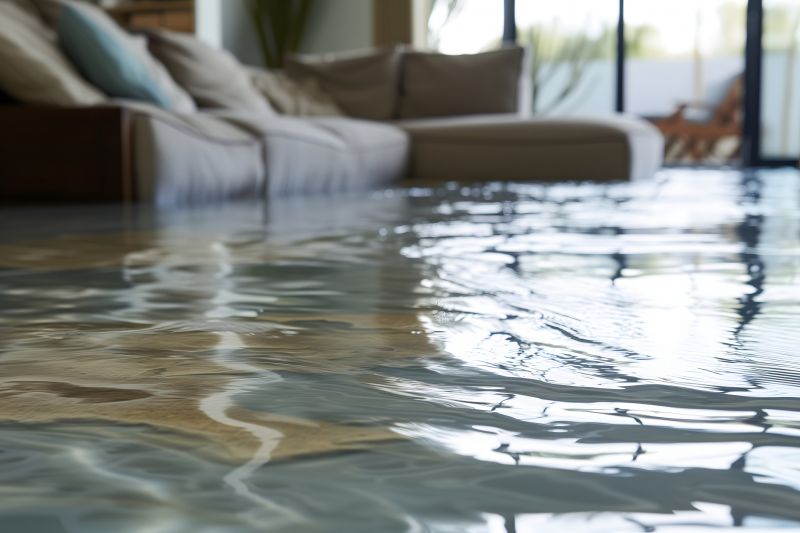
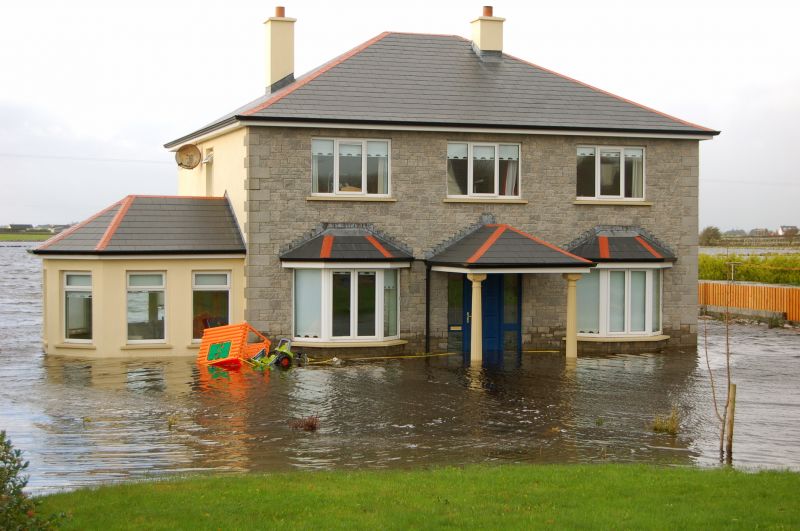
Flood mitigation services help homeowners protect their properties from water damage caused by heavy rains, storm surges, and rising groundwater levels. These services typically include assessing flood risks, installing barriers such as flood walls or levees, and implementing drainage solutions to divert excess water away from the property. Projects may range from minor improvements like sump pump upgrades to comprehensive flood barrier installations, ensuring a more resilient home during severe weather events.
Property owners interested in flood mitigation should understand the specific flood risks in their area, including flood zone classifications and historical flooding patterns. It is also important to consider the existing drainage system, the layout of the property, and any local regulations or requirements that might influence the scope of work. Gathering this information can help determine the most effective strategies to reduce flood vulnerability and protect the property’s value and integrity.
Many property owners in Wilmington, NC look into Flood Mitigation for repairs, replacements, upgrades, and appearance-related improvements.
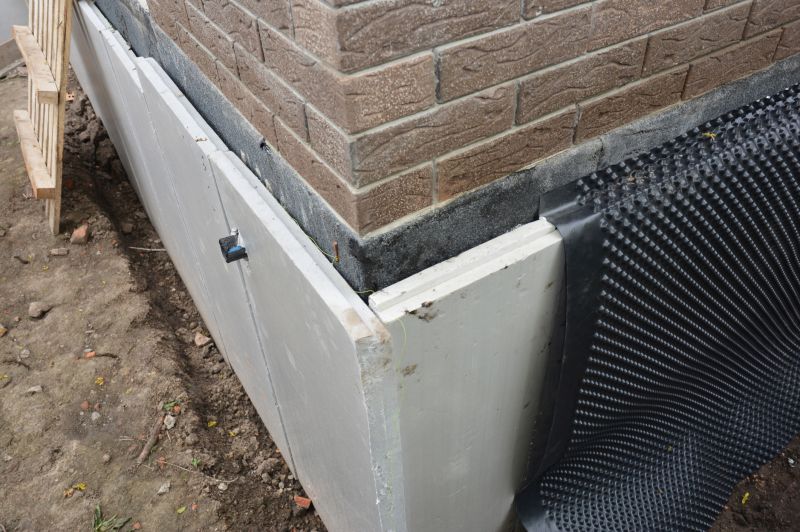
Flood Risk Assessment
Understanding your property's flood risk is essential for effective mitigation planning.
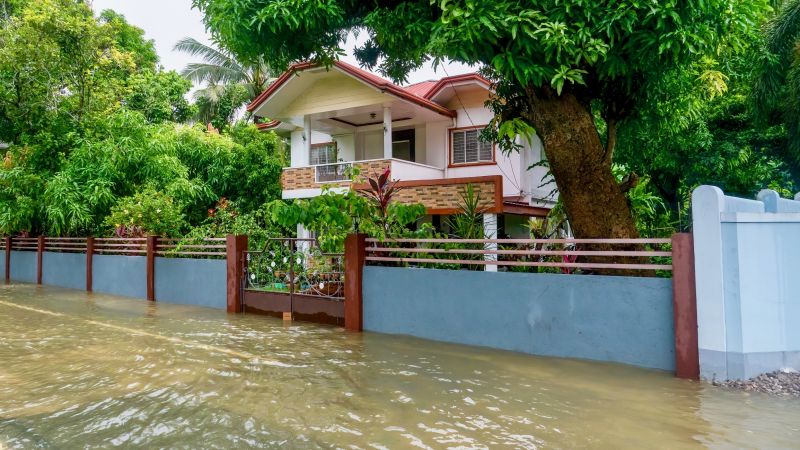
Drainage System Improvements
Proper drainage solutions help direct water away from structures and reduce flood damage.
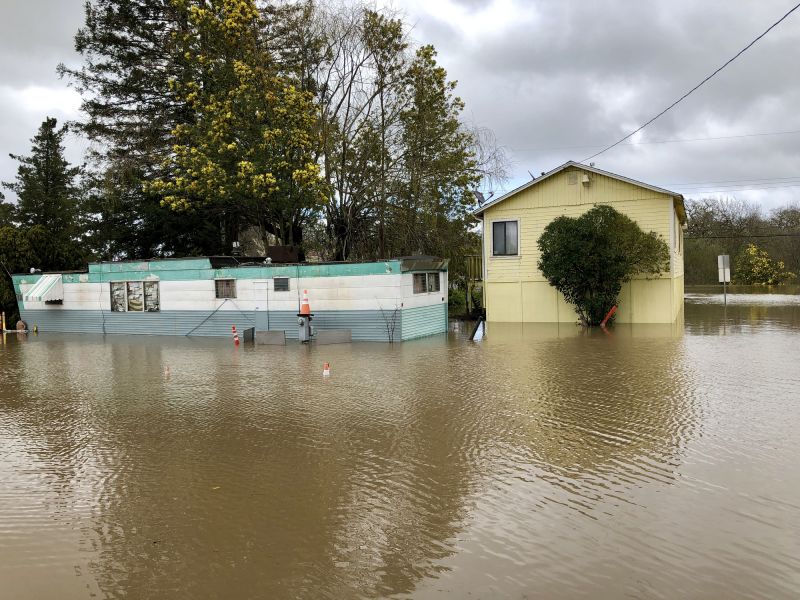
Flood Barriers And Defenses
Installing barriers can provide added protection during heavy storms and rising water levels in wilmington.
Flood Mitigation in Wilmington, NC
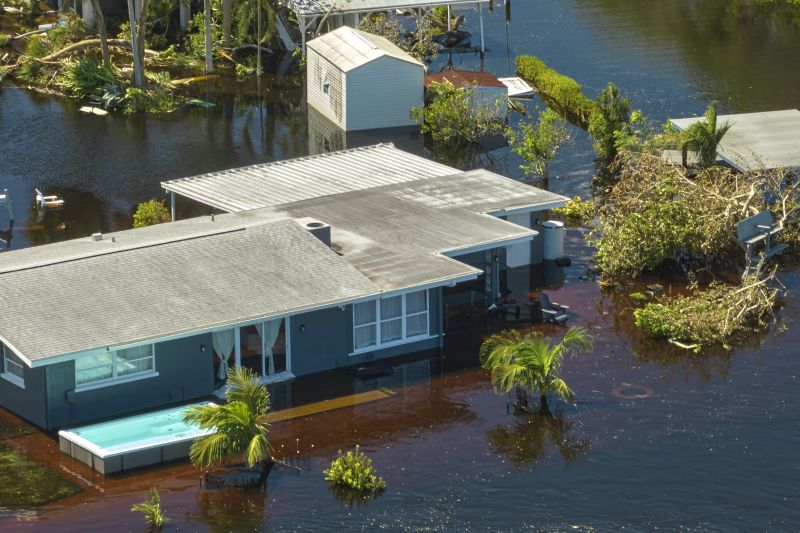
Flood mitigation services help homeowners protect their properties from water damage caused by heavy rains, storm surges, and rising groundwater levels. These services typically include assessing flood risks, installing barriers such as flood walls or levees, and implementing drainage solutions to divert excess water away from the property. Projects may range from minor improvements like sump pump upgrades to comprehensive flood barrier installations, ensuring a more resilient home during severe weather events.
Property owners interested in flood mitigation should understand the specific flood risks in their area, including flood zone classifications and historical flooding patterns. It is also important to consider the existing drainage system, the layout of the property, and any local regulations or requirements that might influence the scope of work. Gathering this information can help determine the most effective strategies to reduce flood vulnerability and protect the property’s value and integrity.
Many property owners in Wilmington, NC look into Flood Mitigation for repairs, replacements, upgrades, and appearance-related improvements.
Common Flood Mitigation Jobs
Flood barriers - temporary or permanent structures installed to prevent water from entering the property.
Drainage improvements - modifications to existing drainage systems to redirect floodwaters away from the home.
Slope grading - reshaping land around the property to reduce water pooling and runoff.
Sealing basement walls - applying waterproof coatings to prevent water seepage during heavy rains.
Flood vents - installing vents that allow water to flow through walls to minimize structural damage.
Sump pump systems - adding or upgrading pumps to remove accumulated water from basements or crawl spaces.
Flood Mitigation Questions
What is flood mitigation? Flood mitigation involves measures to reduce or prevent flood damage to properties and landscapes.
What types of flood mitigation projects are common? Projects often include installing barriers, improving drainage systems, and elevating structures.
How can property owners prepare for flooding? Preparing includes assessing risk, maintaining drainage paths, and considering flood-resistant upgrades.
Why is flood mitigation important for homeowners? It helps protect property value, reduces potential damage, and enhances safety during heavy rain events.
Request Flood Mitigation in Wilmington, NC
Use the quote form on this page to share the basics of your project and request more information for the type of work you need.